Pilates vs yoga vs barre: which one fits your goals?
Pilates focuses on core control, yoga on flexibility, balance and calm, and barre on leg and glute endurance. Here is how they compare, what research supports for each, a short taster of all three, and a week that combines them with walking.
By the TrueMe team · Published · 9 min read · How we write
The choice of Pilates vs yoga vs barre depends mostly on your goal. Pilates focuses on core control and muscle endurance, yoga on flexibility, balance and a calmer mind, and barre on small, repeated movements for the legs and glutes, borrowed from ballet. All three are low impact, all three can be done at home, and none of them is a complete workout week on its own.
This guide compares them side by side, looks at what research actually supports for each, and helps you choose. You’ll also find a two-minute taster of each one you can try against a wall, and a sample week that combines them with walking.
What is the difference between Pilates, yoga and barre?
Pilates trains control of the trunk through precise, repeated movements; yoga moves through and holds postures linked with breathing, often with a meditative side; barre uses a ballet-style rail or support for small, high-repetition strength moves. The overlap is real, but each has a different center of gravity.
Pilates
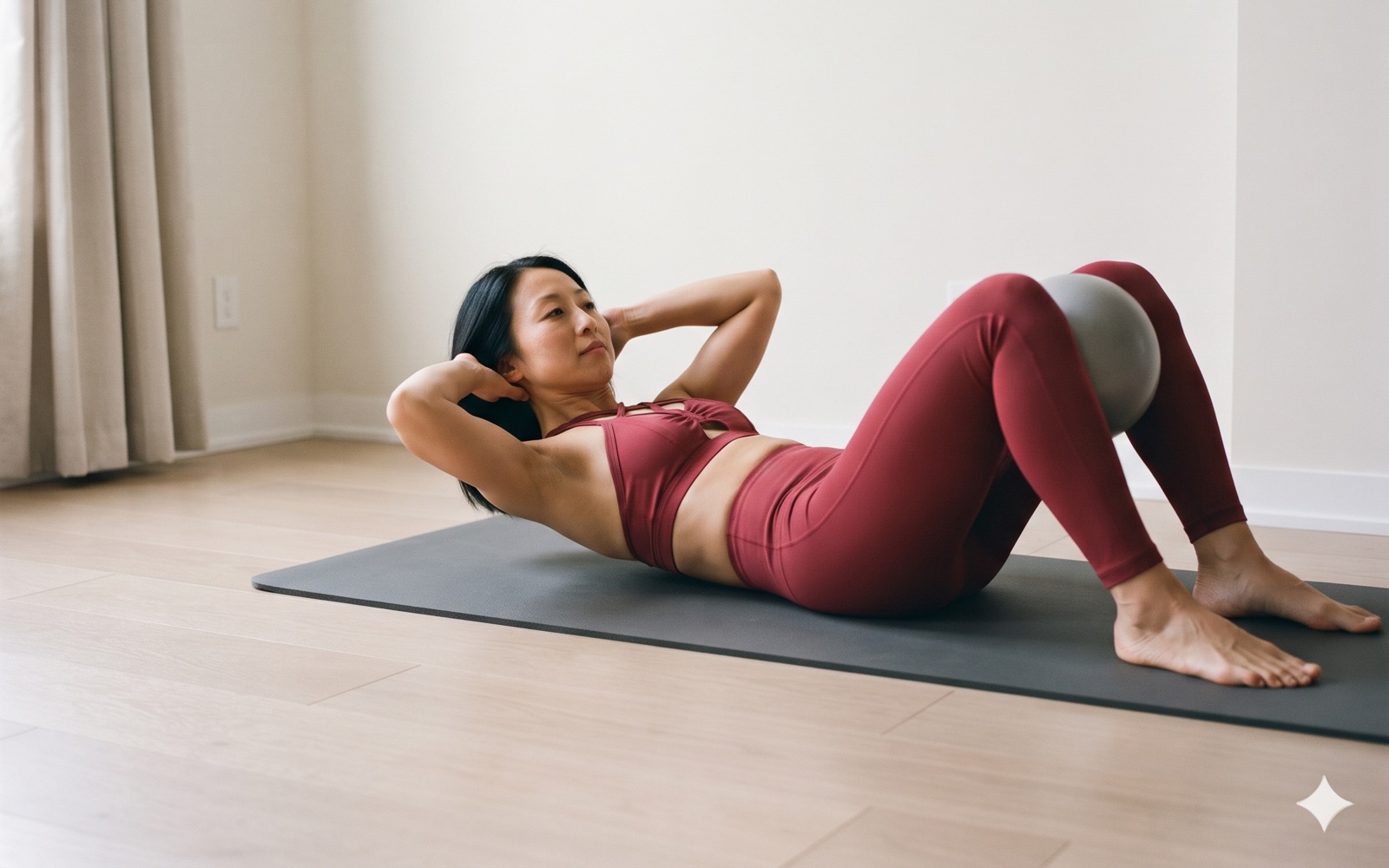
Developed by Joseph Pilates in the early 20th century, who called it Contrology, Pilates is built on breathing, a long spine, a braced middle and slow, controlled repetitions. Classes happen on a mat, on a reformer machine or, increasingly, against a wall. Most sessions work the core, hips and back in nearly every move. Our guide to Wall Pilates explains how the wall version works.
Yoga
Yoga is an ancient practice rooted in Indian philosophy. In the United States it usually combines physical postures, breathing techniques and meditation, and styles range from very gentle to physically demanding [1]. A slow Hatha class and a fast power yoga class feel like different activities, which also makes yoga research hard to compare [1].
Barre
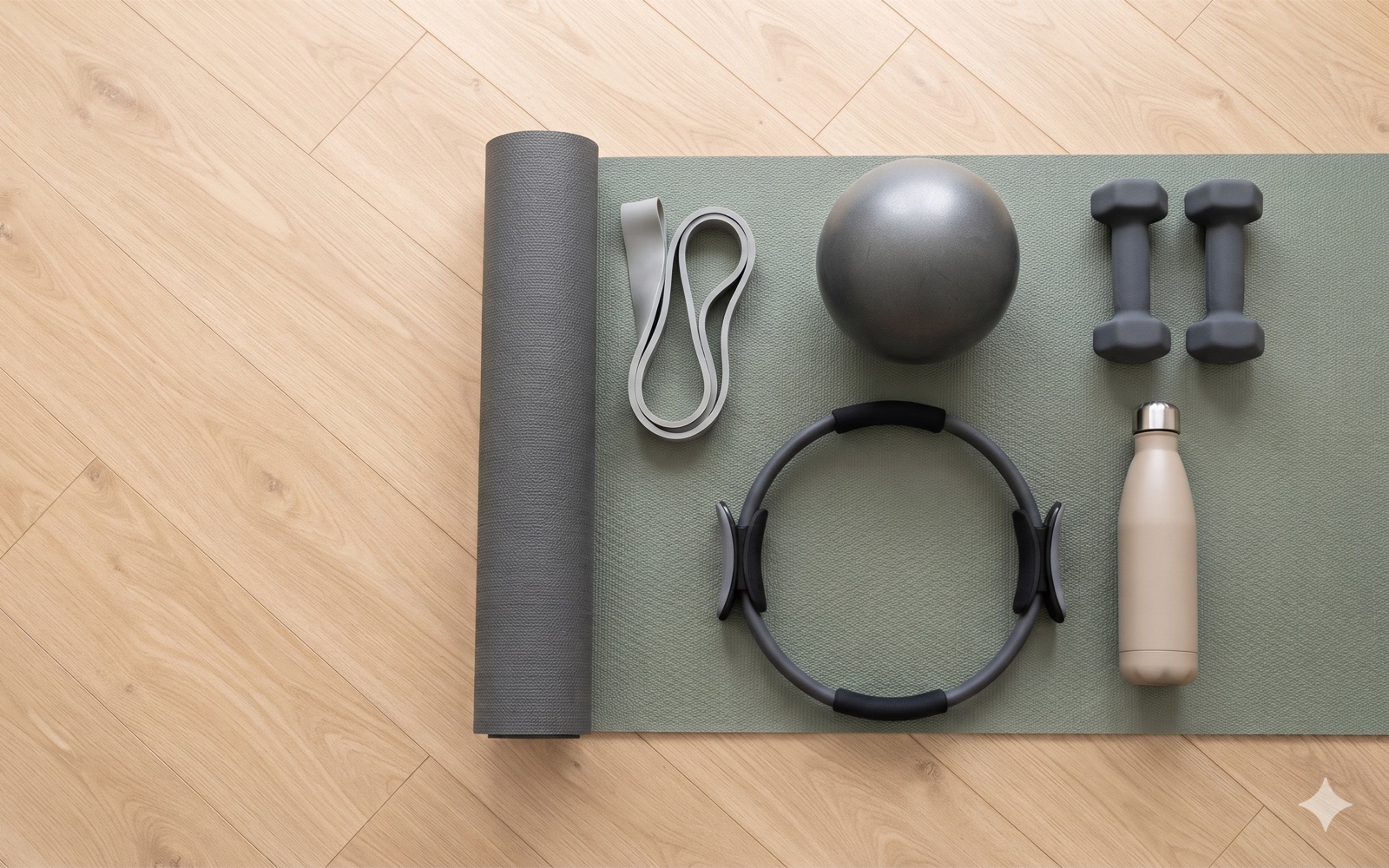
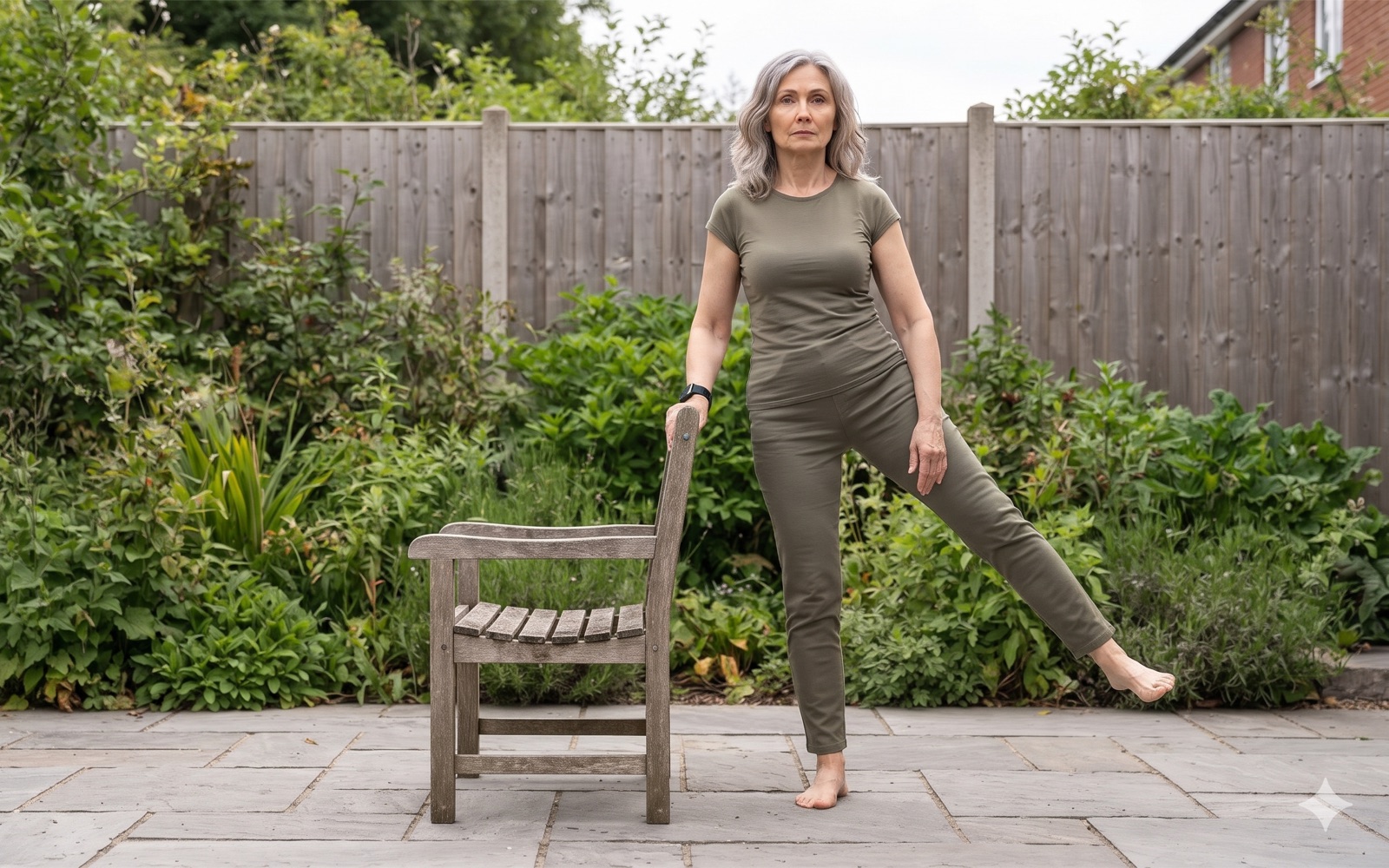
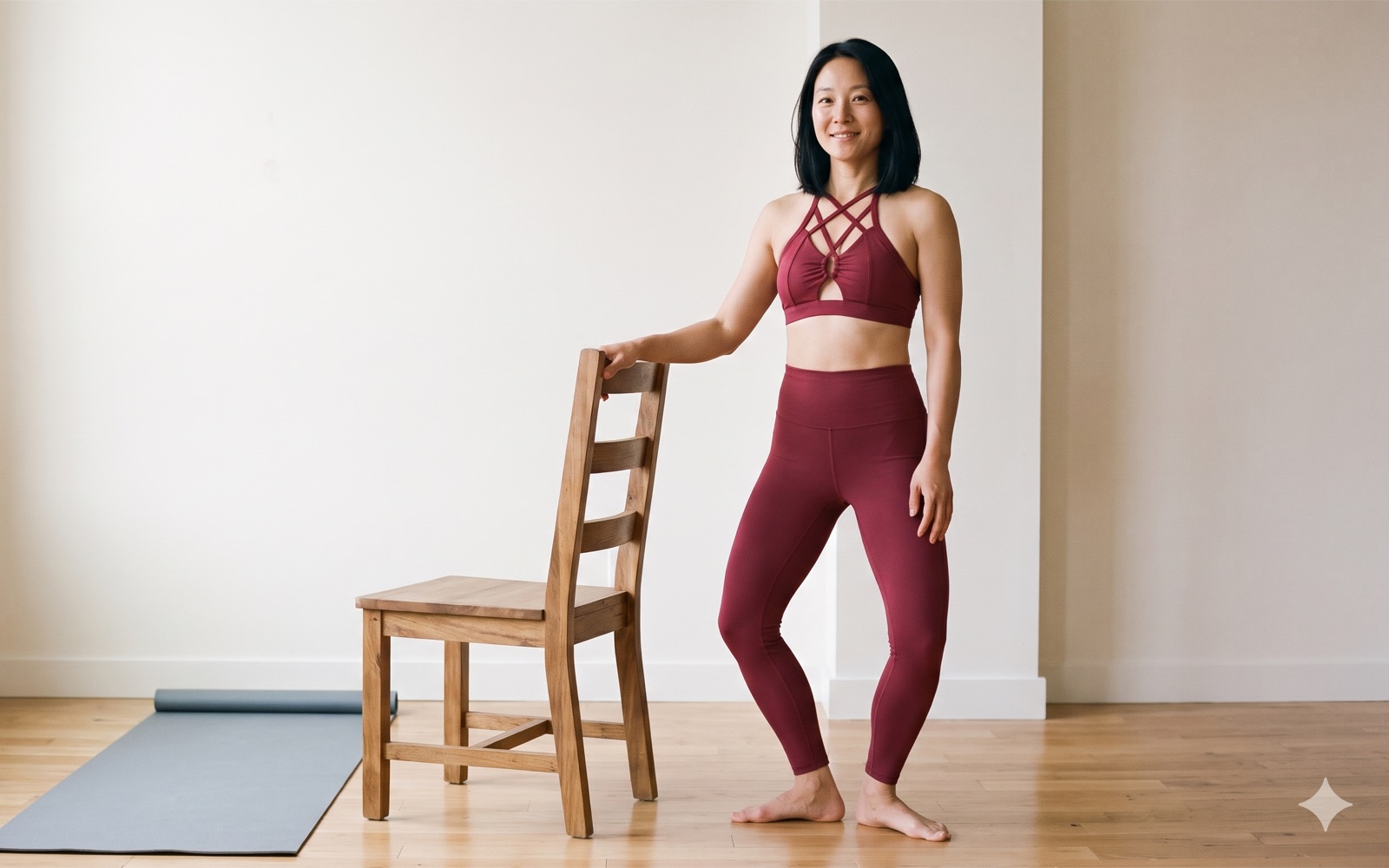
Barre classes combine ballet-inspired positions with Pilates- and yoga-style strength and stretching. The method is usually traced to the dancer Lotte Berk in London around 1960. You hold a rail, a chair back or a wall and do small pulses, holds and lifts, especially for the thighs and glutes, often to music. Light hand weights, a small ball or a band are common.
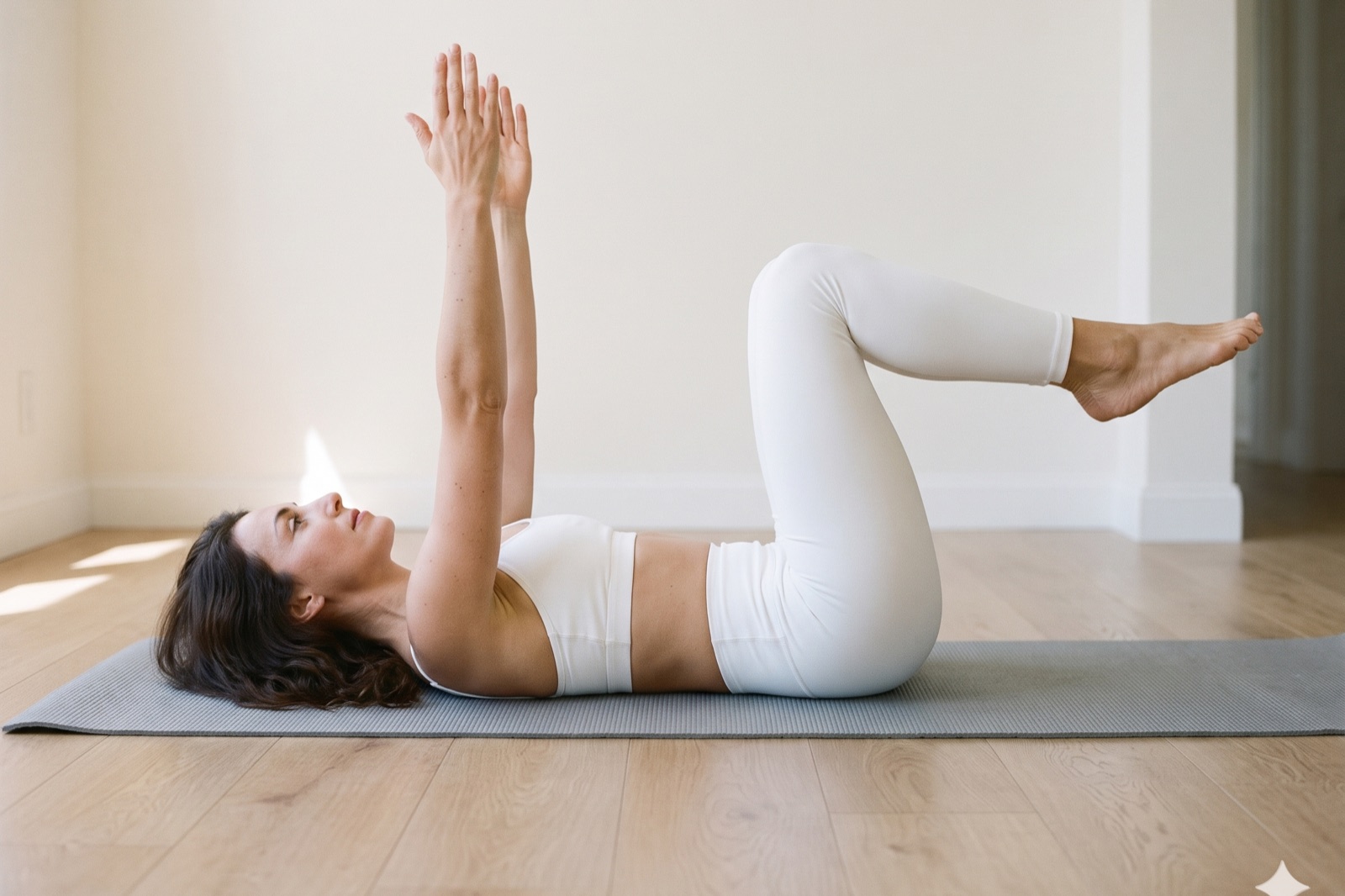
Pilates vs yoga vs barre: how do they compare side by side?
In short: Pilates leads on core control, yoga on flexibility and relaxation, and barre on leg and glute endurance. The table sums up how a typical beginner class compares; individual classes vary a lot.
| Pilates | Yoga | Barre | |
|---|---|---|---|
| Main focus | Core control, muscle endurance, posture | Flexibility, balance, breathing, calm | Leg and glute endurance, posture |
| Pace | Slow to moderate, set sequences | Very slow to fast, depending on style | Moderate, high repetitions |
| Typical move | Roll down, hundred, leg circles | Downward dog, warrior, tree | Plié pulses, heel raises, leg lifts |
| Equipment | Mat, reformer or wall | Mat, sometimes blocks and a strap | Rail, chair or wall, light weights |
| Strength | Moderate, mostly bodyweight | Light to moderate, style-dependent | Moderate, mostly endurance |
| Flexibility | Moderate | High | Moderate |
| Heart rate | Mostly light | Mostly light; power styles higher | Light to moderate |
| Research base | Moderate | Largest | Very small |
What does the research say about each one?
Yoga has the most research, Pilates has a solid and growing base, and barre has almost none. That doesn’t mean barre doesn’t work; it means its benefits are mostly assumed from what it shares with other strength and dance training.
Pilates.
- In a 12-week trial, active middle-aged adults who did a one-hour mat Pilates class twice a week improved abdominal endurance, hamstring flexibility and upper-body endurance compared with a control group. Posture and balance did not change measurably [2].
- In a review of 39 studies of adults aged 60 and over, Pilates improved balance, strength, flexibility and everyday function by a moderate amount and lowered the risk of falls compared with control groups. The certainty of the evidence was low to moderate [3].
- A meta-analysis of eight small controlled trials found Pilates reduced symptoms of depression and anxiety and improved feelings of energy compared with no exercise, though the trials were of mixed quality [4].
Yoga.
- In adults aged 60 and over, yoga produced small improvements in balance and medium improvements in mobility across six trials [5].
- A review of 22 trials in older adults found yoga improved balance, lower-body flexibility and leg strength compared with no exercise, and leg strength and lower-body flexibility compared with other activities such as walking [6].
- The US National Center for Complementary and Integrative Health notes research suggesting yoga may help with stress, sleep, balance and mental well-being [1].
Barre.
- We found very few published studies. In one small trial, 27 women aged 65 and over did 12 weeks of walking, barre exercise or neither; both exercise groups had lower depression scores at the end, while the group that didn’t exercise did not [7]. With nine women per group, that is a starting point, not proof.
Which is best for building strength?
Pilates and barre usually build more strength than gentle yoga, but the real answer is whichever one you keep challenging. Muscles get stronger when the work gets harder over time, so the deciding factor is progression: more repetitions, slower tempo, longer holds, harder versions or light weights.
How each one builds strength:
- Pilates works the core in almost every move and the arms and legs in many of them. Wall and reformer versions make it easy to add or remove load.
- Barre targets the thighs, glutes and calves with long sets of small movements, which mostly builds muscular endurance. Adding light weights or slower holds raises the challenge.
- Yoga builds strength through holding postures, especially in flowing and power styles. Gentle and restorative classes do much less.
US guidelines advise muscle-strengthening activity at least 2 days a week [8]. Any of the three counts when the last few repetitions or seconds of a hold feel hard. Our guide to whether Pilates counts as strength training covers how to make sure it does.
Which is best for flexibility and balance?
Yoga is the strongest choice for flexibility, because holding stretched positions is central to it. For balance, both yoga and Pilates have good evidence in older adults [3][5], and barre trains standing balance too, though it hasn’t been studied for it.
Things to know:
- Flexibility improves with regular stretching, whatever you call the class. Yoga simply spends more time there.
- Balance improves with standing practice. Choose classes that include single-leg work and standing postures, and use a wall or chair until you feel steady.
- More range isn’t always better. If your joints are very flexible already, focus on control and strength rather than chasing deeper stretches.
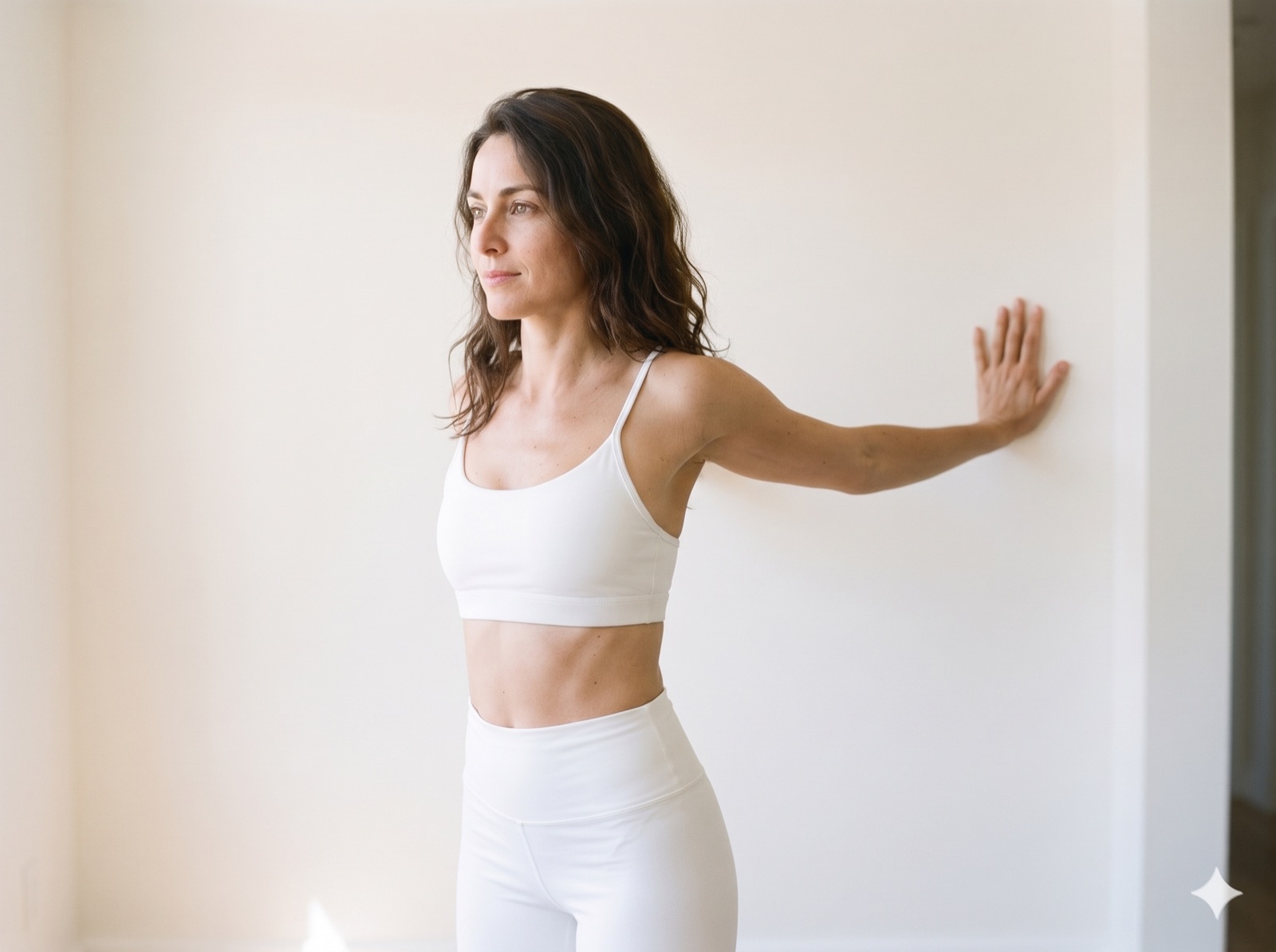
Do Pilates, yoga or barre count as cardio?
Mostly no. Typical Pilates and yoga classes are light-intensity activity, and you still need aerobic exercise such as brisk walking alongside them.
Here are the values from the 2024 Adult Compendium of Physical Activities, where 1 MET is your energy use at rest [9].
| Activity | METs |
|---|---|
| Pilates, traditional mat | 1.8 |
| Pilates, general | 2.8 |
| Yoga, Hatha | 2.3 |
| Yoga, Vinyasa | 2.7 |
| Yoga, power | 4.0 |
| Walking, brisk (3.5 to 3.9 mph) [10] | 4.8 |
Power yoga is the only entry here that reaches moderate intensity, and brisk walking beats all of them. The Compendium has no entry for barre fitness classes, so we can’t give an honest figure for it. Adults are advised to get 150 to 300 minutes of moderate aerobic activity every week [8], so plan your walking separately. Our Pilates calories burned calculator uses these same values.
What about weight management? None of the three is a reliable weight-loss tool on its own. A review of 10 studies found mat Pilates was no better than other training or no exercise for body fat, body mass index or waist size [11]. The National Center for Complementary and Integrative Health notes some research suggesting yoga may help people with overweight lose weight, and in one study the effect depended on changes in activity and diet that went with it [1]. All three can support weight management as part of a week with walking, strength work, sensible eating and enough sleep, and all three are easy to keep doing, which matters most.
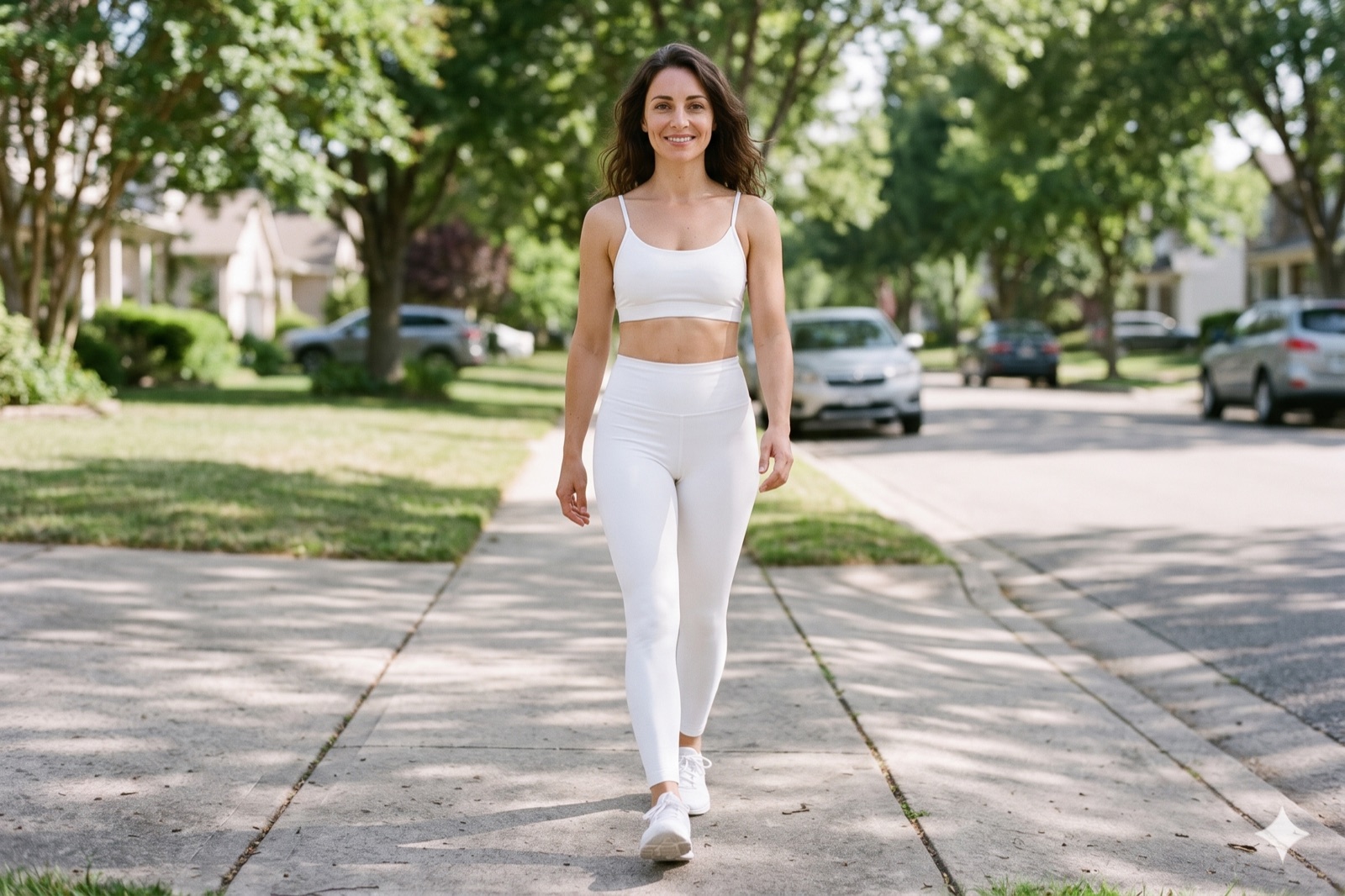
How can you try all three at home?
Try one short move from each format against a wall, a few minutes apart, and notice which one you enjoy. Enjoyment is the best predictor of whether you’ll keep going.
Pilates taster: wall roll down
Rest your back on the wall with your heels a step away from it. Drop your chin and peel your spine away from the wall one section at a time, arms hanging heavy, then rebuild slowly from the bottom up. Do 4 slow repetitions, breathing out as you roll down. See the wall roll down demo.
Yoga taster: tree pose with a hand on the wall
Stand side-on to the wall with one hand resting on it. Shift your weight onto the leg nearest the wall and place the sole of your other foot on your ankle or calf, never on the side of your knee. Bring your free hand to your chest, stand tall and take 5 slow breaths, then switch sides. As you feel steadier, lighten the touch on the wall.
Barre taster: wall-supported plié and heel raise
Face the wall with both hands resting on it. Stand with your heels a little apart and your toes turned out comfortably. Bend your knees, letting them track over your toes, then straighten and rise onto the balls of your feet. Lower your heels slowly. Do 12 to 15, keeping your back tall and your hips under your shoulders.
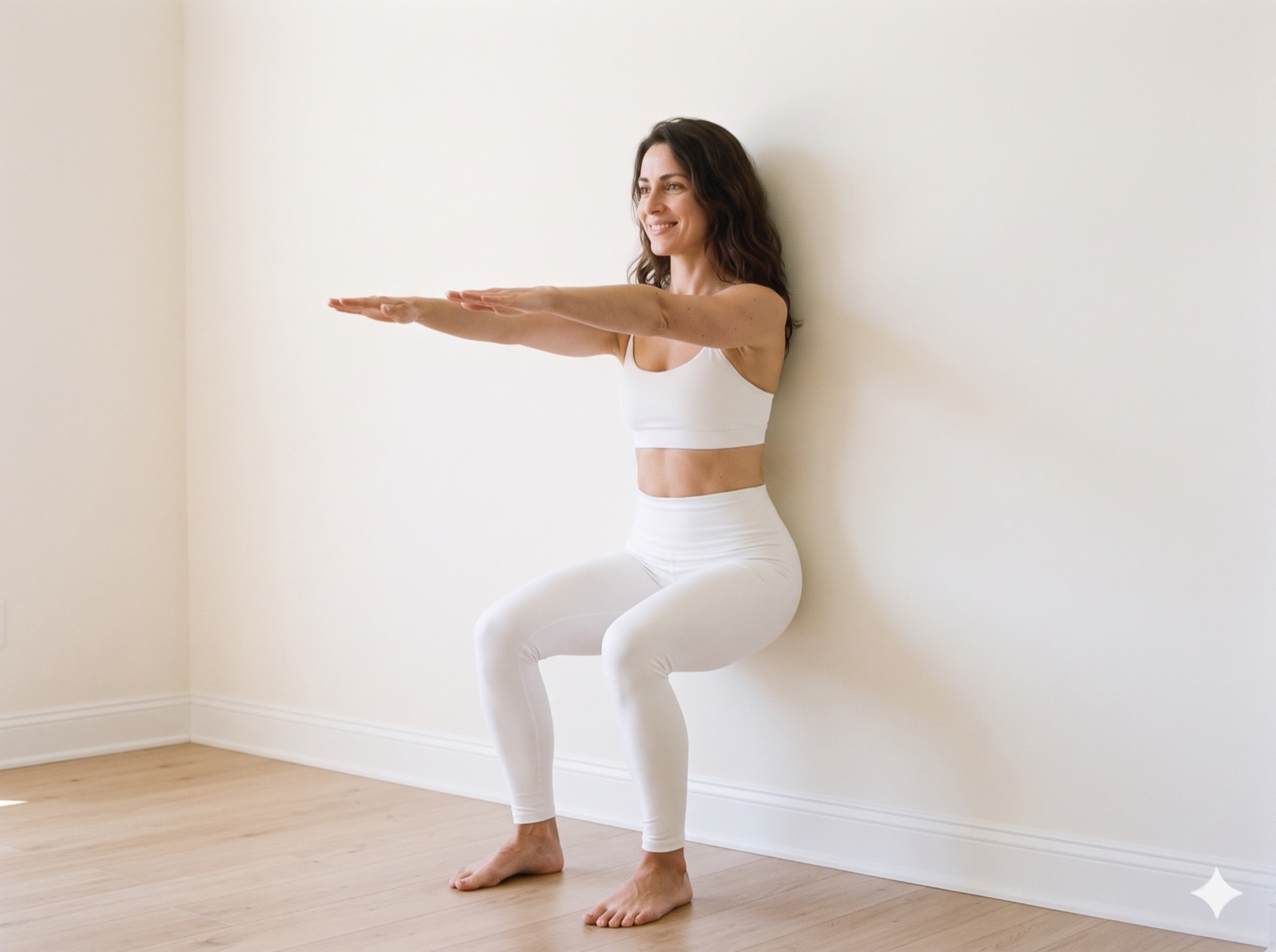
Which one should you choose?
Choose the one that matches your main goal and that you’ll actually do twice a week. If you can’t decide, start with Pilates or a gentle yoga class, since both have good evidence and adapt well to beginners.
A quick guide:
- Choose Pilates if you want a stronger, steadier core, better control and a structured routine you can do in 10 to 15 minutes at home.
- Choose yoga if flexibility, balance and winding down matter most, or you like a slower, more meditative class.
- Choose barre if you enjoy music and repetition and want leg and glute work that feels like a dance class.
When you pick a class or video, look for a clear beginner level, an instructor who offers easier versions, and cues about breathing and form rather than speed. Hot and power yoga are a big step up; start with gentler styles.
Check with your doctor or a physical therapist before starting if you have a joint, back or balance condition, are recovering from an injury or surgery, or are pregnant. Yoga is generally considered safe for healthy people when done properly with a qualified instructor, but injuries such as sprains and strains can happen, as with any activity [1].
Can you combine Pilates, yoga and barre in one week?
Yes, and they fit together well. Use one or two for strength, one for flexibility and recovery, and walk on most days for your aerobic minutes.
| Day | Session |
|---|---|
| Monday | 15-minute Pilates + 20-minute brisk walk |
| Tuesday | 20-minute yoga |
| Wednesday | 15-minute barre-style legs + 20-minute brisk walk |
| Thursday | 30-minute brisk walk |
| Friday | 15-minute Pilates + 20-minute brisk walk |
| Saturday | Longer walk or an active outing |
| Sunday | Gentle yoga or rest |
That gives you three strength sessions, two flexibility sessions and about 150 minutes of walking. If you want a free Pilates session for Mondays and Fridays, try the 15-minute full-body Wall Pilates workout, and check your week with the weekly exercise minutes calculator.
The bottom line
Pilates, yoga and barre are three low-impact ways to get stronger and move better, with different emphases: core control for Pilates, flexibility and calm for yoga, and leg endurance for barre. Yoga and Pilates have the stronger research behind them; barre is enjoyable and plausible, but barely studied.
Pick the one you’ll do consistently, make it a little harder as it gets easier, and add regular brisk walking, because none of the three covers your aerobic needs on its own.
Sources
Every source was read before it was cited. Numbers in the text, like [1], point here.
- [1]Yoga: effectiveness and safetyUS National Center for Complementary and Integrative Health, n.d.
- [2]Pilates for improvement of muscle endurance, flexibility, balance, and postureKloubec, Journal of Strength and Conditioning Research, 2010
- [3]Pilates improves physical performance and decreases risk of falls in older adults: a systematic review and meta-analysisFernández-Rodríguez and colleagues, Physiotherapy, 2021
- [4]The effects of Pilates on mental health outcomes: a meta-analysis of controlled trialsFleming and Herring, Complementary Therapies in Medicine, 2018
- [5]Yoga-based exercise improves balance and mobility in people aged 60 and over: a systematic review and meta-analysisYoukhana and colleagues, Age and Ageing, 2016
- [6]The effects of yoga compared to active and inactive controls on physical function and health related quality of life in older adults: systematic review and meta-analysis of randomised controlled trialsSivaramakrishnan and colleagues, International Journal of Behavioral Nutrition and Physical Activity, 2019
- [7]Effects of walking and barre exercise on CES-D, stress hormones, hs-CRP, and immunoglobulins in elderly womenKim and colleagues, Journal of Clinical Medicine, 2025
- [8]Top 10 things to know about the second edition of the Physical Activity Guidelines for AmericansUS Office of Disease Prevention and Health Promotion, 2018
- [9]2024 Adult Compendium of Physical Activities: conditioning exerciseAdult Compendium of Physical Activities, 2024
- [10]2024 Adult Compendium of Physical Activities: walkingAdult Compendium of Physical Activities, 2024
- [11]Effects of the mat Pilates method on body composition: systematic review with meta-analysisCavina and colleagues, Journal of Physical Activity and Health, 2020
Found this useful? Pass it on