Mat vs reformer Pilates: which one suits you?
Mat vs reformer Pilates comes down to equipment, cost and how much guidance you want. Both build strength, balance and flexibility, and the few studies that compare them find similar results for most goals, so the best choice is the one you will do regularly.
By the TrueMe team · Published · 8 min read · How we write
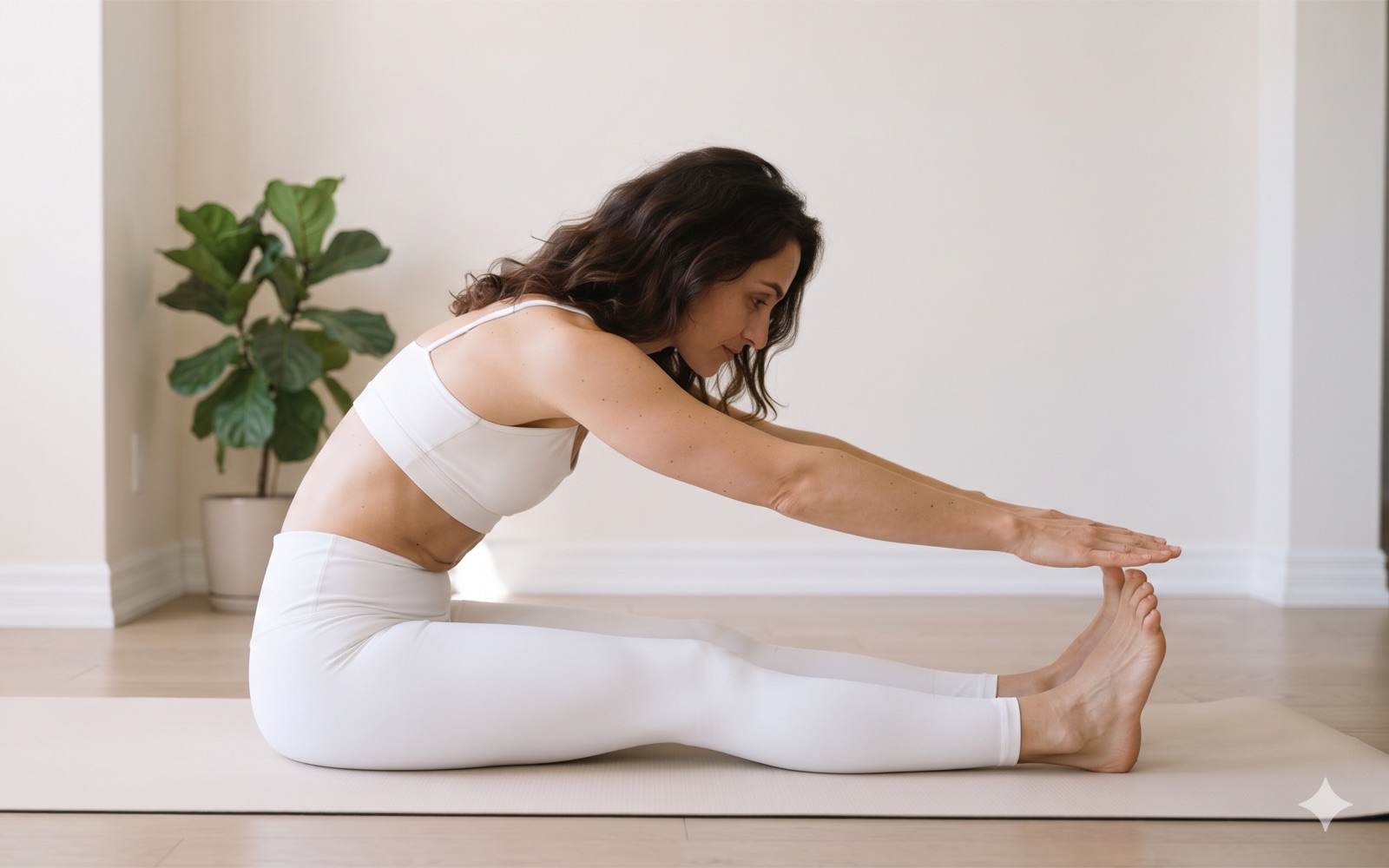
Mat vs reformer Pilates is a choice between two ways of doing the same method: on a mat with your own body weight, or on a reformer, a sliding carriage machine with springs that can resist or assist you. Both teach the slow, controlled strength, core and mobility work Pilates is known for, and the small number of studies that compare them find similar results for most goals.
This guide explains how the two differ in practice, what the research says, which one is harder, what each costs in money and space, and how to pick the one you’ll keep doing. If you train at home, it also covers how to get reformer-style progress from a mat and a wall.
What is the difference between mat and reformer Pilates?
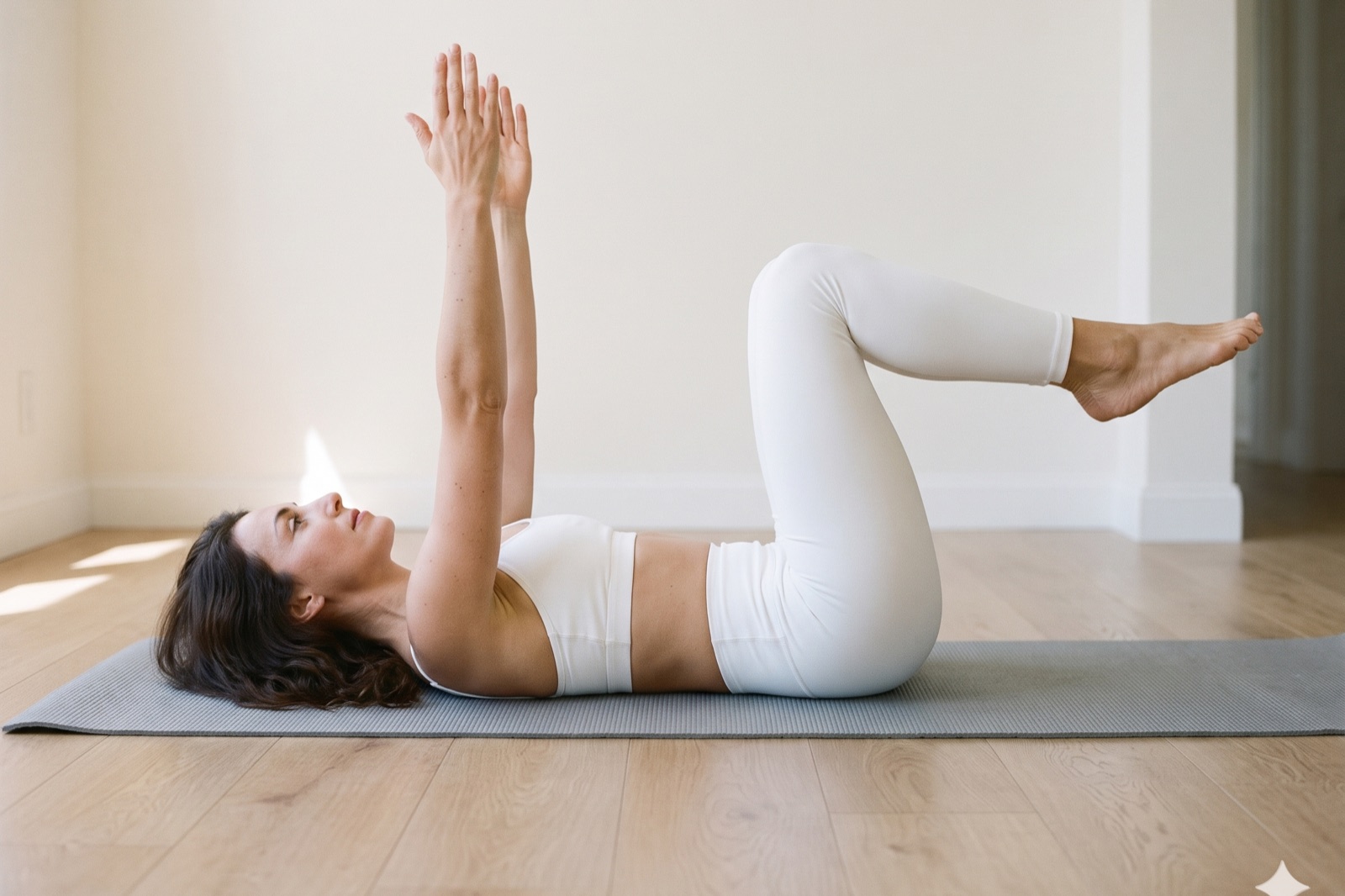
Mat Pilates uses your body weight on the floor, sometimes with small props, while reformer Pilates uses a machine whose springs change how hard each move is. The principles are the same; the equipment changes the feel, the cost and where you can do it.
Researchers describe Pilates as a mind-body exercise built around strength, core stability, flexibility, muscle control, posture and breathing, and note that it can be done on a mat or with specialised equipment [1]. The reformer is the best known of those machines. You lie, kneel, sit or stand on a padded carriage that rolls along a frame, and pushing or pulling against the springs moves it. Lighter springs make some moves harder because you have to control the carriage; heavier springs make others harder because you push more load.
| Mat Pilates | Reformer Pilates | |
|---|---|---|
| Equipment | A mat; optional wall, band or small ball | A reformer machine with springs, straps and a footbar |
| Resistance | Your body weight, lever length and tempo | Adjustable springs plus body weight |
| Where | Anywhere with floor space | Mostly studios; home machines exist |
| Cost | Low once you own a mat | Higher per class; a home machine is a big purchase |
| Learning curve | Few settings, but no machine to guide you | Springs and straps take a few sessions to learn |
| Best known for | Convenience, core control, consistency | Adjustable load, guided range of motion |
Wall Pilates sits between the two. The wall gives you something to push against and lean on, a little like the reformer’s footbar, without the cost. Our Wall Pilates guide explains how it compares.
What does the research say about mat vs reformer Pilates?
Head-to-head studies are few and small, and they mostly find that both work. Where one comes out ahead, it is on a specific outcome in a specific group, not across the board.
- Older women. A trial split 48 active women in their 60s into mat, apparatus and control groups for eight weeks of twice-weekly 50-minute sessions. Both Pilates groups improved leg and arm strength, aerobic endurance, flexibility and agility, with no meaningful difference between mat and apparatus [2].
- Chronic low back pain. In a trial of 86 adults with ongoing low back pain, mat and equipment-based Pilates both helped. After six months the equipment group had slightly better disability and fear-of-movement scores, but pain levels were similar [3].
- Fall risk. A reformer program done once a week for ten weeks improved balance, walking speed and hip and ankle movement in adults over 65 at risk of falling, compared with no exercise [4]. That shows the reformer works; it doesn’t show it beats the mat.
Across Pilates research as a whole, an umbrella review of 27 meta-analyses found benefits for pain, disability, balance and sleep, but rated most of the evidence low or very low in certainty [5]. In plain terms, Pilates of either kind is a reasonable choice, and no study gives a strong reason to pick one style over the other for general fitness.
Is reformer Pilates harder than mat Pilates?
Not necessarily. The reformer can make a move harder or easier depending on the spring setting, while mat work has no assistance at all, so some mat exercises feel tougher than their reformer versions.
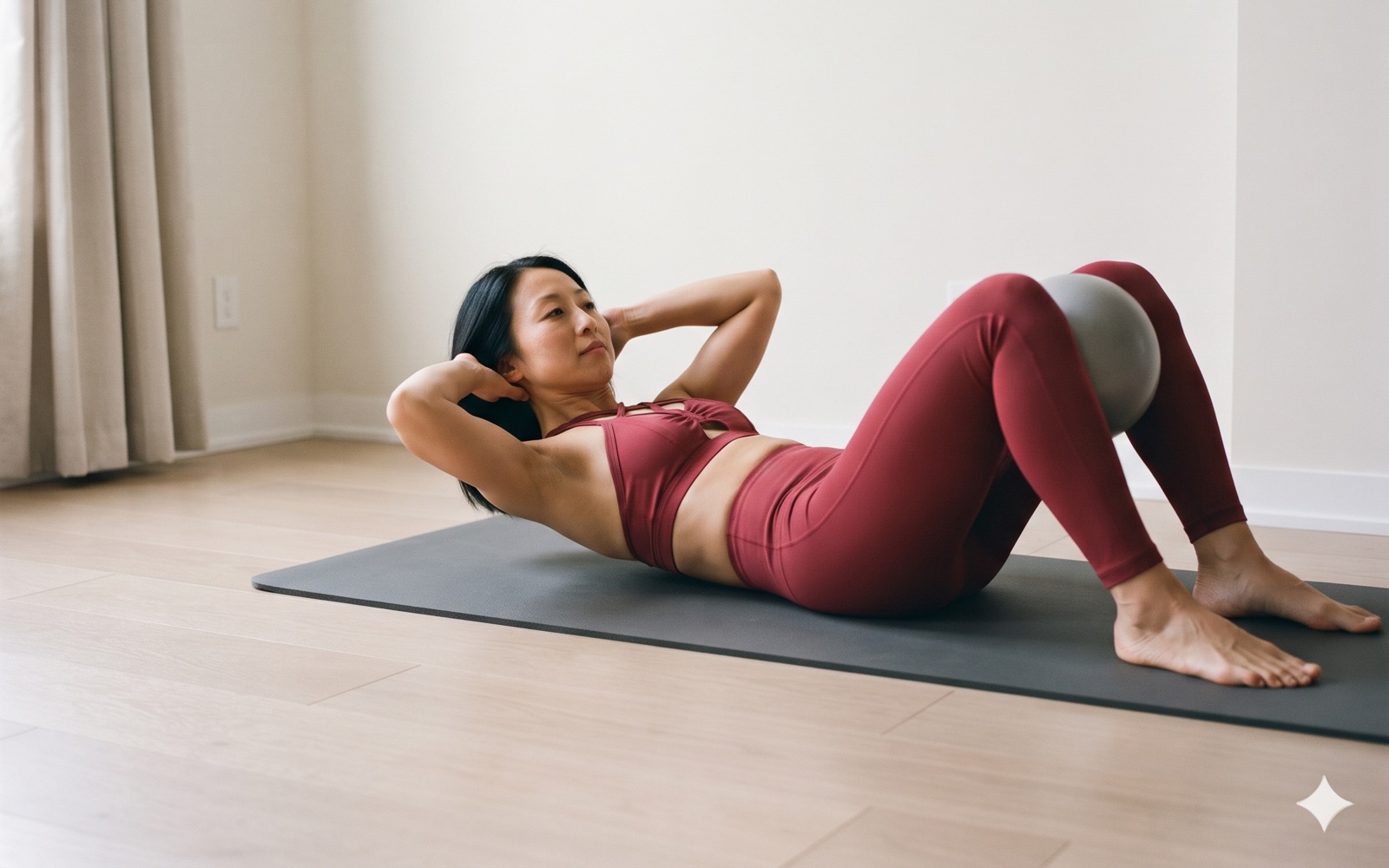
The roll-up is a good example. On a mat you lift your own upper body against gravity with nothing to help. On a reformer, a strap or spring can support part of the movement, which helps a beginner learn it. Leg and arm work often runs the other way: on the reformer you can add spring load that a mat can’t easily match.
For your heart and lungs, both are gentle. A lab study measured oxygen use during a 15-exercise reformer session and a 15-exercise mat session in young women. The reformer session used a little more energy, about 2.6 calories a minute against 1.9 for the mat, but neither raised heart rate or blood lactate much above resting levels [6]. Both build strength and control far more than they work as cardio.
Which is better for strength?
The reformer makes it easier to add load in small, measurable steps, which suits strength goals. Mat Pilates still builds strength, but you progress by changing leverage, tempo and range instead of adding springs.
Strength training guidelines say muscles keep adapting when the challenge rises gradually, for example by adding a little load once you can manage a couple of extra repetitions [7]. A reformer spring is a simple way to do that. On a mat or at a wall you raise the challenge in other ways:
- Longer levers. Straighten an arm or leg to make a core move harder.
- One side at a time. A single-leg bridge asks far more of each leg than a two-leg bridge.
- Slower tempo. Lower over three or four counts instead of one.
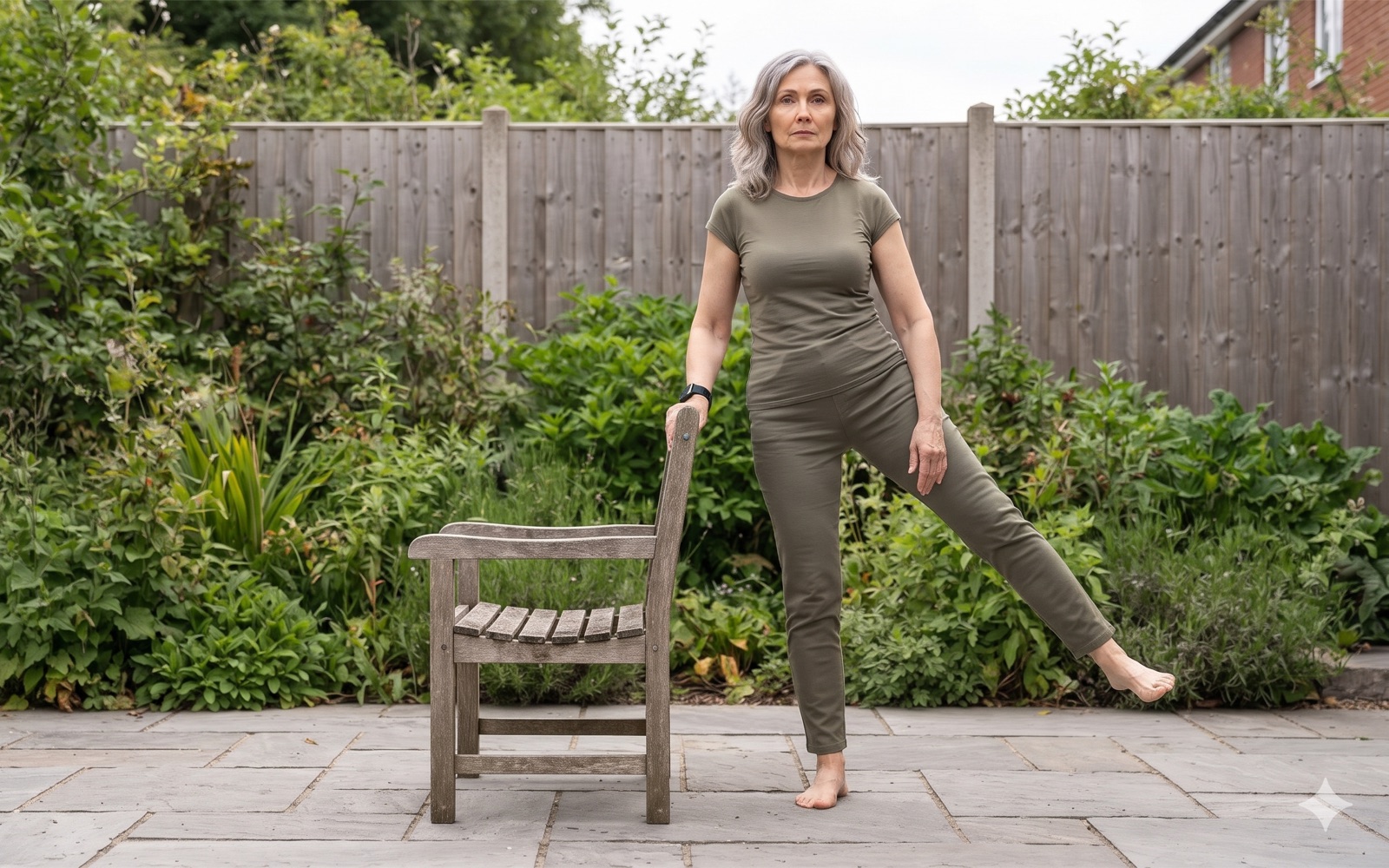
- Less support. Step further from the wall in a wall push-up, or lift your heels in a wall sit.
If building muscle is your main goal, adding a resistance band or light dumbbells to mat work, or mixing in a reformer class, makes progress easier to track.
Mat vs reformer Pilates for beginners: where should you start?
Either is a fine place to start. Choose the mat if you want to practise at home, keep costs low and learn the basic positions first; choose the reformer if you can afford supervised classes and like the feedback a machine gives.
A few things help beginners whichever you pick:
- Learn the basics slowly. Breathing, a neutral spine and controlled movement matter more than how many exercises you know.
- Get some guidance. A qualified instructor, in person or on video, will catch habits like holding your breath or arching your lower back.
- Respect the springs. On a reformer the moving carriage can catch you off guard. Start with a beginner class, not an open session.
- Check first if you need to. If you are pregnant, have osteoporosis, a recent injury or ongoing back or joint pain, ask your doctor or physical therapist which approach suits you.
Our mat Pilates for beginners guide covers the first few weeks in more detail.
How much does each cost, and what do you need?
Mat Pilates needs little more than a mat and some floor space, which makes it the cheaper option over time. Reformer Pilates usually means studio classes, which cost more per session, or a home machine, which is a large purchase that takes up a lot of room.
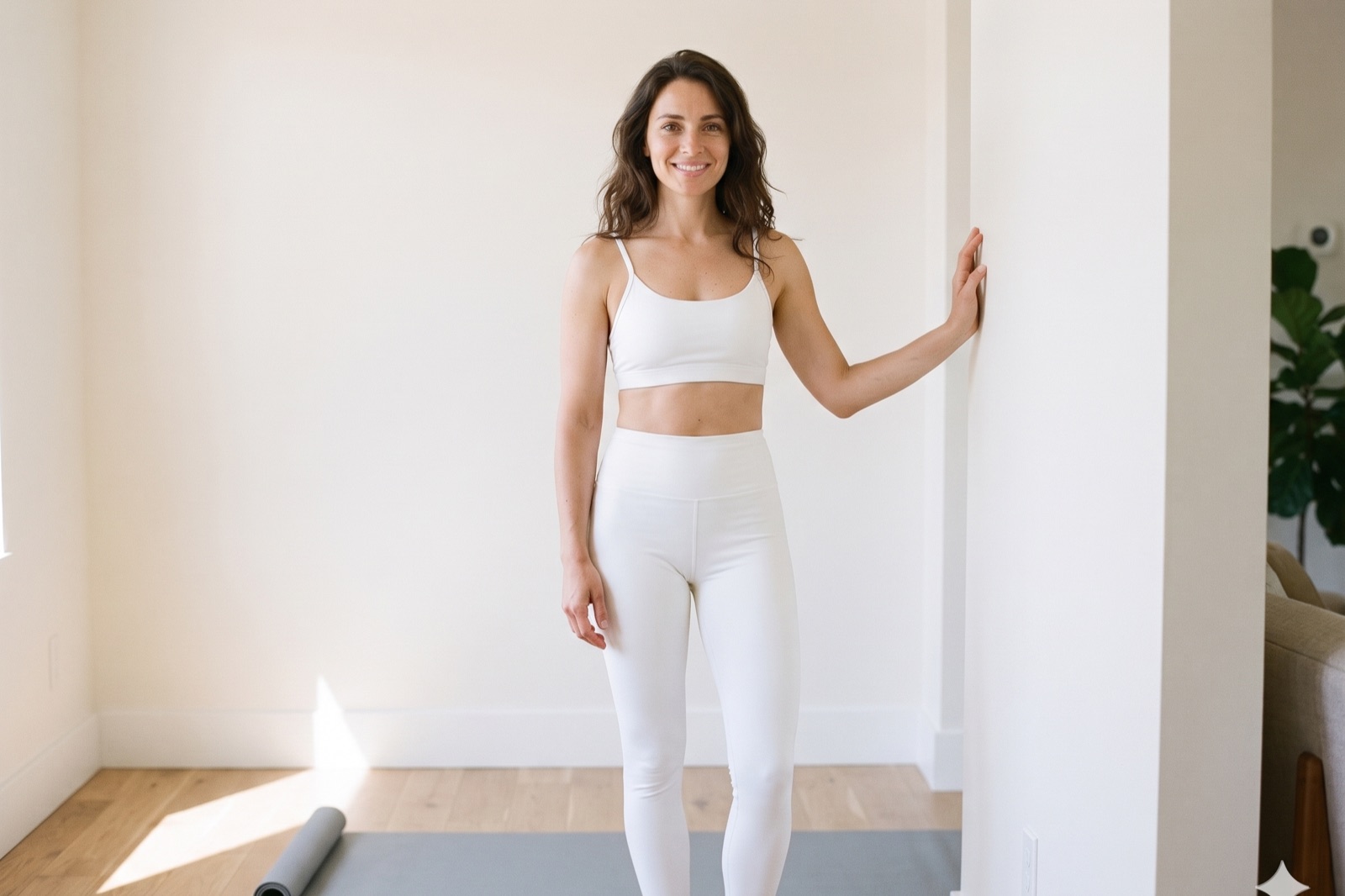
For mat or wall Pilates at home you need:
- a non-slip mat, ideally a little thicker than a yoga mat for kneeling and lying on your spine;
- a clear stretch of wall with no pictures or shelves;
- clothes you can move freely in, and bare feet or grip socks;
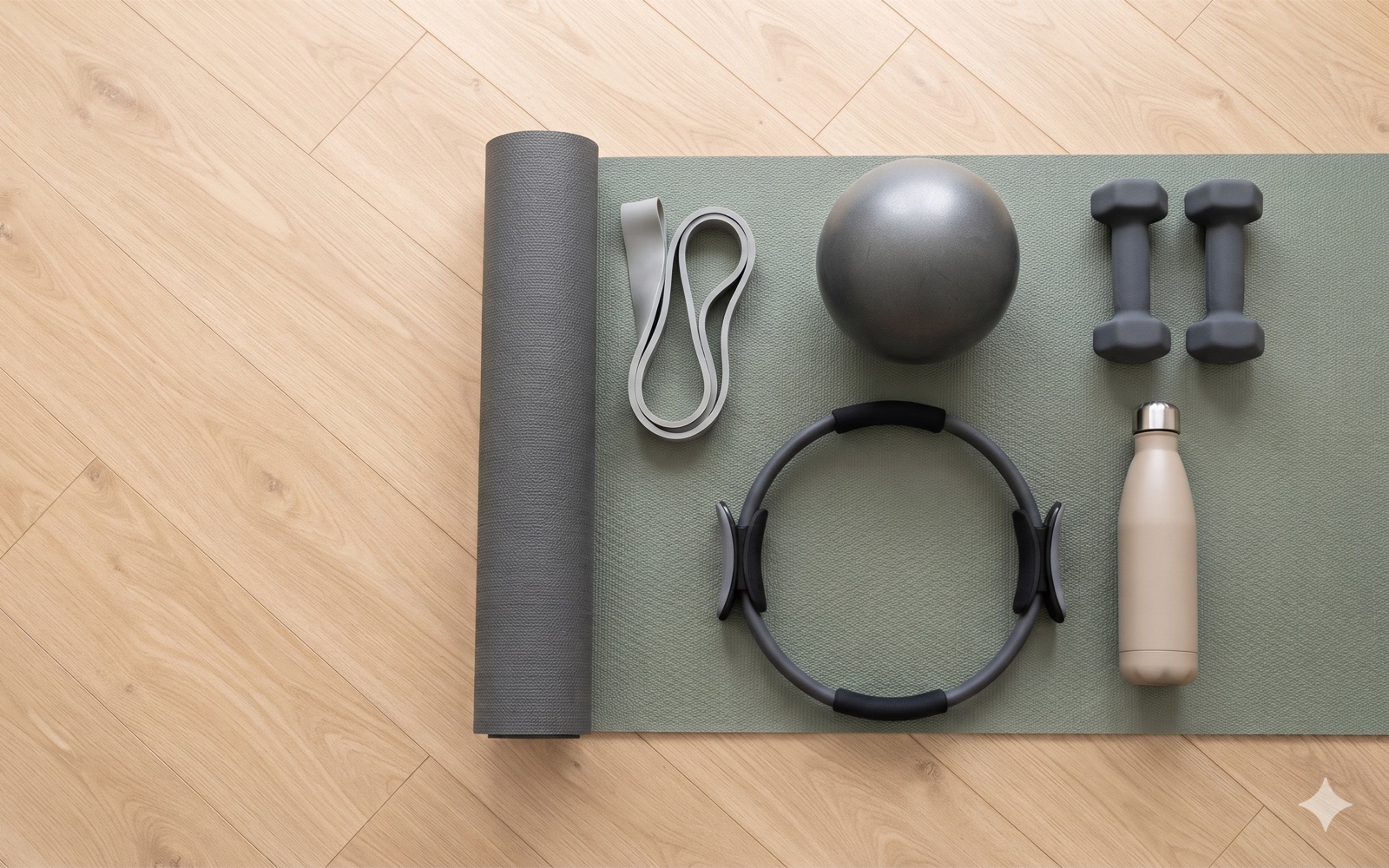
- optional extras: a resistance band, a small soft ball or a firm cushion.
A home reformer is worth thinking about only if you already train regularly, have the floor space and know how to set the springs safely. Many people try a few studio classes first to see whether the machine suits them before buying one.
How do you choose between mat and reformer Pilates?
Pick the option that fits your goal, budget and schedule well enough that you’ll do it two or three times a week. Consistency matters more than equipment.
| If you want… | Lean towards | Why |
|---|---|---|
| To train at home on a budget | Mat or wall | Low cost, no travel, short sessions are easy to fit in |
| Hands-on teaching | Reformer class | Small classes and a machine that guides your range of motion |
| Adjustable load for strength | Reformer, or mat with a band | Springs or bands let you add resistance in small steps |
| Better balance and mobility | Either | Both improved balance and flexibility in trials [2][4] |
| Gentle work around back pain | Either, with guidance | Both helped in a back pain trial; get advice first [3] |
| Variety | Both | Mix one reformer class with mat sessions at home |
If you’re unsure, start with the mat at home for a month. You’ll learn the basic positions, find out how often you actually practise, and know whether a reformer is worth paying for.
Can you do both mat and reformer Pilates?
Yes, and many people do. Mat sessions at home build the habit and the basics, and an occasional reformer class adds load and fresh feedback.
A simple week might look like this:
| Day | Session |
|---|---|
| Monday | 15–20 minutes of mat or wall Pilates |
| Wednesday | A reformer class, or a longer mat session |
| Friday | 15–20 minutes of mat or wall Pilates |
| Other days | Brisk walking or another activity you enjoy |
That fits the US guidelines for adults: muscle-strengthening activity on at least two days a week, plus 150 to 300 minutes of moderate aerobic activity such as brisk walking [8]. Pilates covers the strength part well; the walking covers the rest. For a ready-made home session, try the 15-minute full-body Wall Pilates workout.
The bottom line
Mat vs reformer Pilates is less of a contest than it looks. Both build strength, control, balance and flexibility, and the few studies that compare them find similar results for most people, with the reformer slightly ahead on a couple of back pain measures and easier to load for strength.
The mat wins on cost and convenience, and adding a wall or a band closes much of the gap. Choose the one you can do two or three times a week, learn the basics carefully, and add the other later if you want more variety.
Sources
Every source was read before it was cited. Numbers in the text, like [1], point here.
- [1]Defining Pilates exercise: a systematic reviewWells and colleagues, Complementary Therapies in Medicine, 2012
- [2]Effect of mat vs. apparatus Pilates training on the functional capacity of elderly womenMueller and colleagues, Journal of Bodywork and Movement Therapies, 2021
- [3]Effectiveness of mat Pilates or equipment-based Pilates exercises in patients with chronic nonspecific low back pain: a randomized controlled trialda Luz and colleagues, Physical Therapy, 2014
- [4]Pilates Reformer exercises for fall risk reduction in older adults: a randomized controlled trialRoller and colleagues, Journal of Bodywork and Movement Therapies, 2018
- [5]Pilates and multiple health outcomes: an umbrella reviewXu and colleagues, Journal of Science and Medicine in Sport, 2023
- [6]What is the exercise intensity of Pilates? An analysis of the energy expenditure, blood lactate, and intensity of apparatus and mat Pilates sessionsde Souza Andrade and colleagues, Journal of Bodywork and Movement Therapies, 2021
- [7]American College of Sports Medicine position stand: progression models in resistance training for healthy adultsAmerican College of Sports Medicine, Medicine and Science in Sports and Exercise, 2009
- [8]Top 10 Things to Know About the Second Edition of the Physical Activity Guidelines for AmericansOffice of Disease Prevention and Health Promotion (ODPHP), U.S. Department of Health and Human Services, 2025
Found this useful? Pass it on